
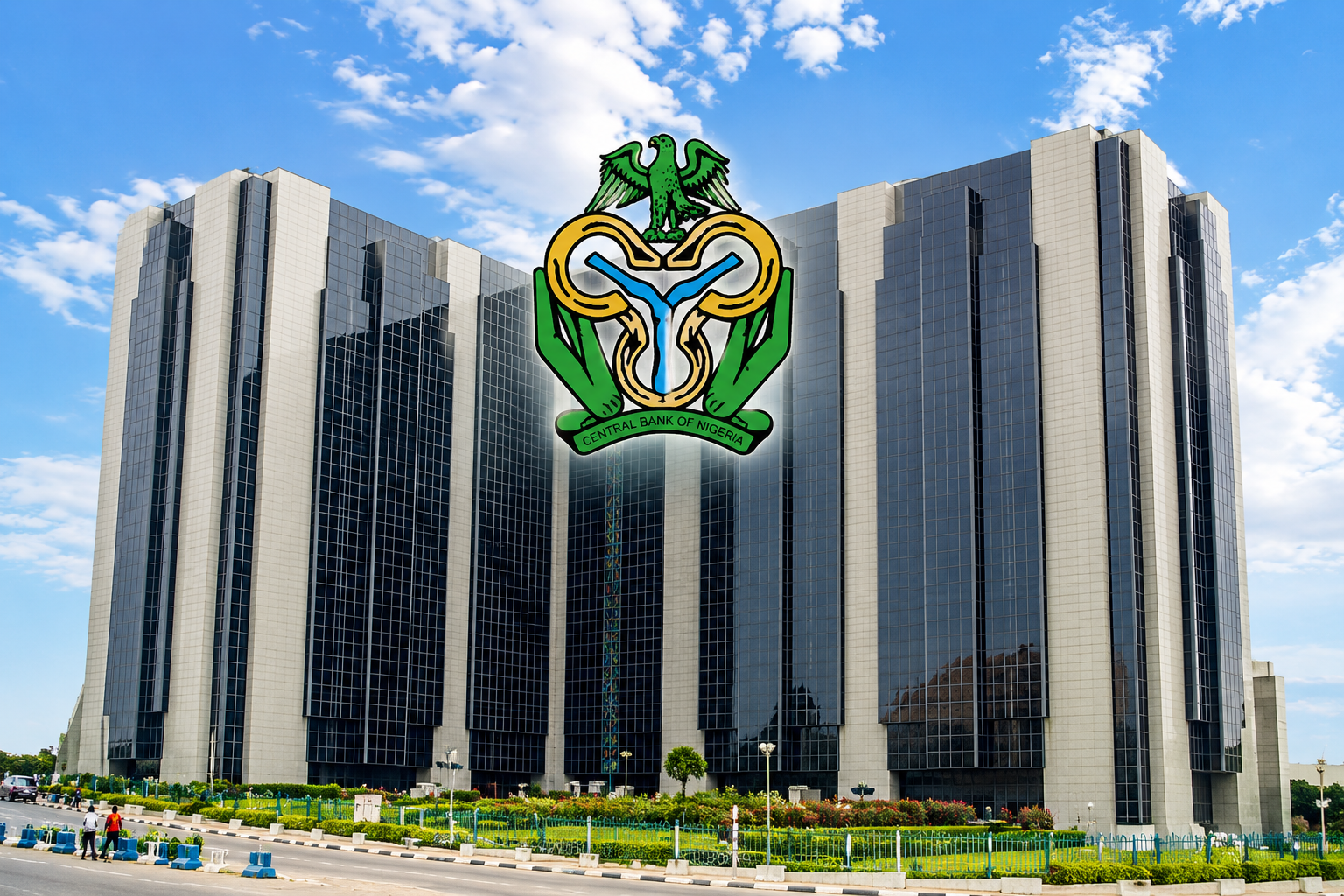
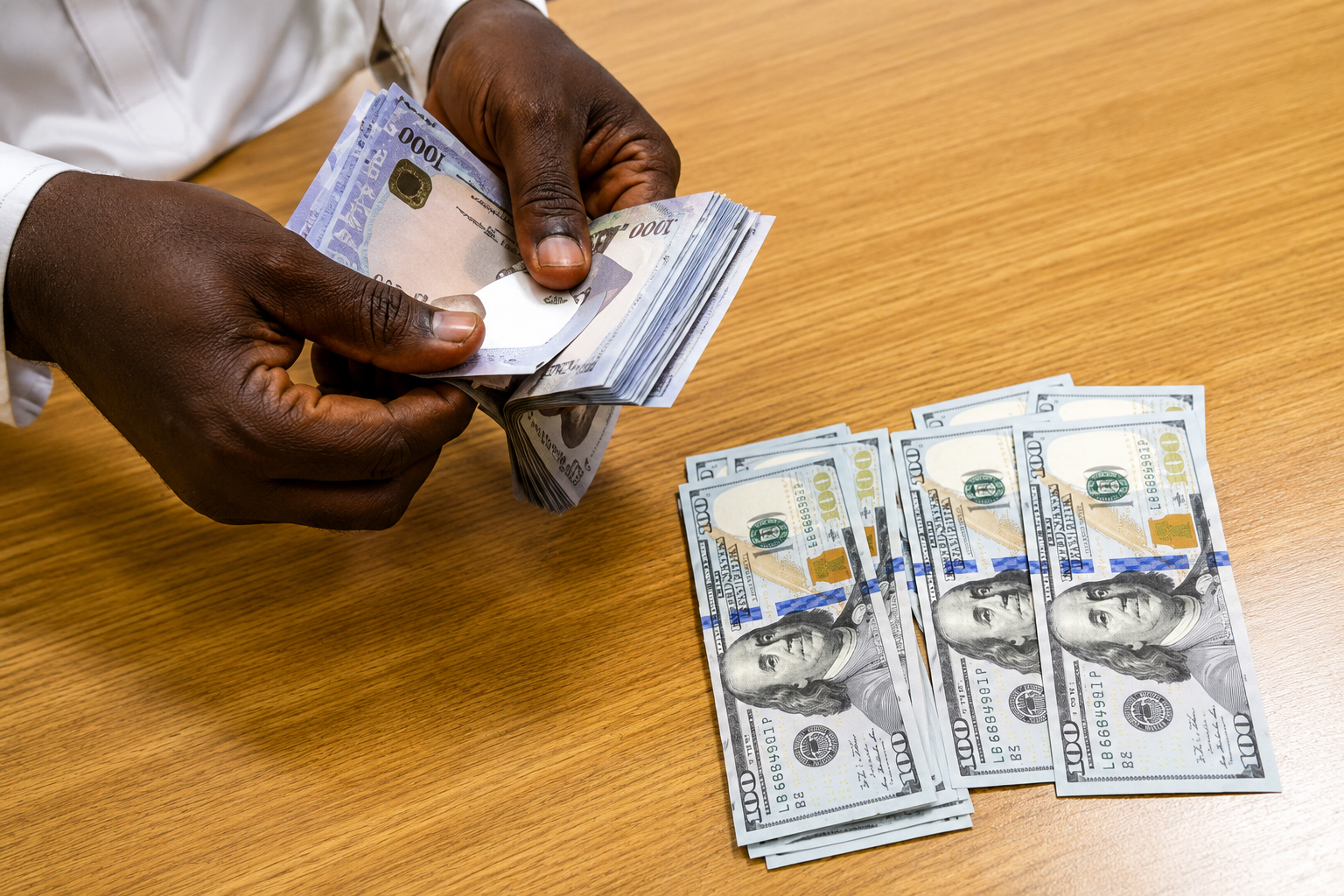
Nigeria's currency, the naira, has extended its recent rally, recording a third consecutive gain against major foreign currencies, according to the latest data released by the Central Bank of Nigeria (CBN).
The sustained improvement in the exchange rate has raised optimism among financial analysts, businesses, and investors who view the trend as a sign of increasing stability within the foreign exchange market. The development comes amid ongoing monetary and fiscal measures aimed at strengthening confidence in the Nigerian economy and improving liquidity in the forex market.
CBN figures indicate that the naira appreciated further in official trading, continuing a positive streak that has attracted attention from market participants. Analysts attribute the currency's recent performance to a combination of factors, including improved foreign exchange supply, tighter monetary policies, increased market confidence, and regulatory reforms introduced by the apex bank.
Economic experts say the latest gains could help ease inflationary pressures by reducing the cost of imported goods and raw materials. A stronger naira may also improve business planning and encourage greater investor participation in Nigeria's financial markets.
The recovery follows months of volatility that saw the local currency come under pressure due to foreign exchange shortages, high demand for dollars, and broader economic challenges. In response, monetary authorities have implemented several measures designed to improve transparency, attract foreign investment, and boost market efficiency.
Financial market observers note that while the recent appreciation is encouraging, sustaining the momentum will require continued reforms and adequate foreign exchange inflows. They emphasize the importance of increasing export earnings, attracting foreign direct investment, and strengthening non-oil revenue sources to support long-term currency stability.
Business operators have welcomed the naira's improved performance, expressing hope that exchange rate stability will help reduce operational costs and improve access to imported inputs. Some manufacturers also believe a stronger currency could ease pressure on production expenses and support economic growth.
Meanwhile, investors are closely monitoring developments in the foreign exchange market, with many viewing the naira's recovery as a positive indicator of improving macroeconomic conditions. Analysts caution, however, that global economic uncertainties and fluctuations in oil prices could continue to influence currency movements in the months ahead.
The Central Bank of Nigeria has repeatedly reaffirmed its commitment to maintaining stability in the financial system and ensuring an efficient foreign exchange market. Officials say efforts will continue to strengthen market confidence and support policies that promote sustainable economic growth.
As the naira records its third straight gain, attention is now turning to whether the positive trend can be maintained over the longer term. For businesses, investors, and consumers, continued currency stability could provide much-needed relief and contribute to broader economic recovery efforts across the country.
![[UPDATED] Nigeria’s Inflation Rises To 15.93% In May](https://naijadeltavoice.com/uploads/1781570007-food.png)