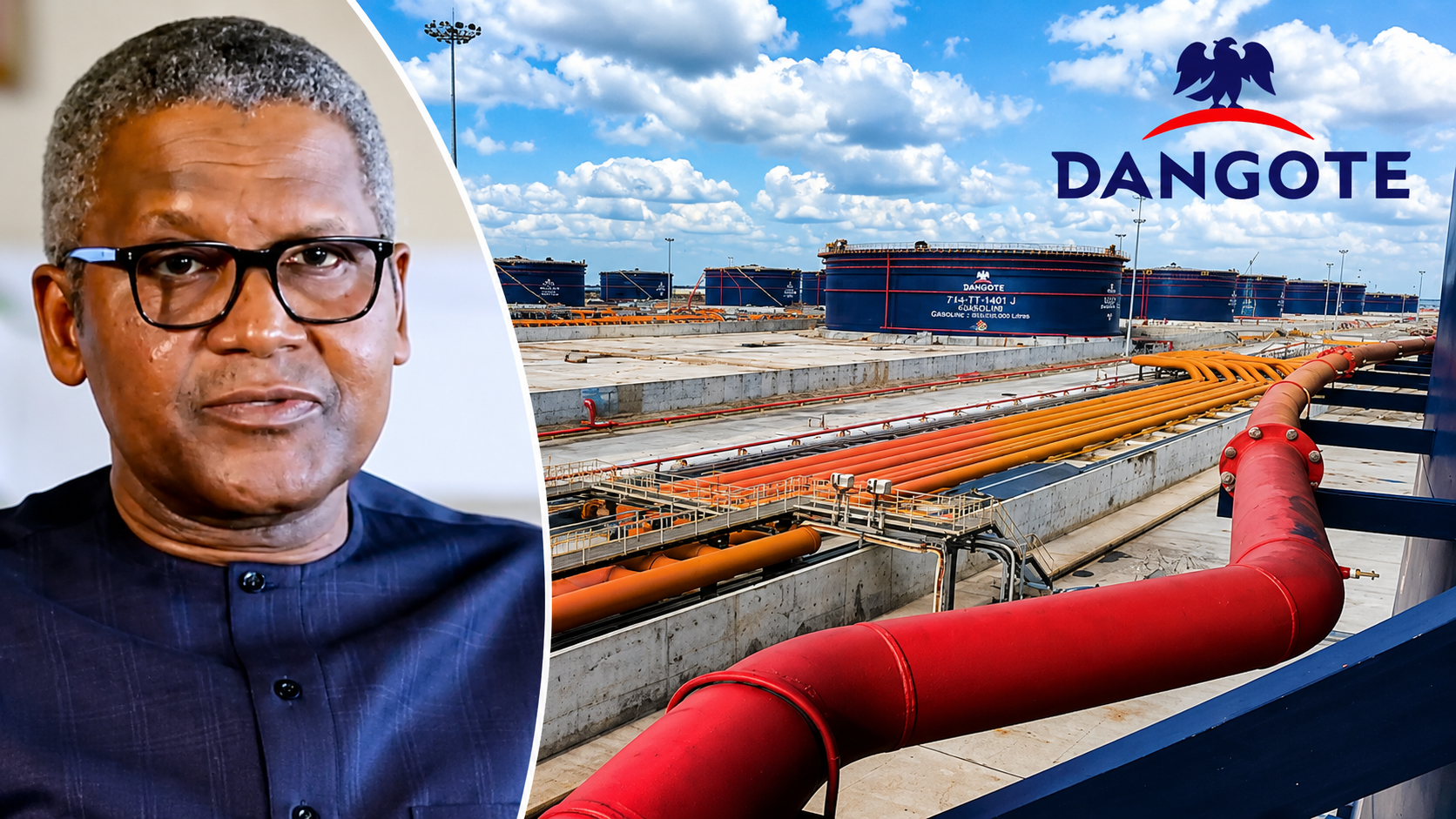
Nigeria petrol import bill has fallen by an estimated 60% since the Dangote Refinery in Lagos commenced full commercial production in late 2025, saving the country approximately 1.2 billion dollars in foreign exchange expenditure in the first quarter of 2026 alone, according to data from the Nigerian Midstream and Downstream Petroleum Regulatory Authority (NMDPRA).
The fall in imports has also begun to have downstream effects on petrol pricing in some markets, with pump prices in Lagos and Abuja moderating slightly from their post-subsidy-removal highs, though prices in the Niger Delta and other regions remain elevated due to distribution infrastructure gaps.
Niger Delta governors and community leaders have called on the Federal Government to ensure that the petroleum product distribution network is developed sufficiently to allow Niger Delta communities -- which sit atop the crude oil that feeds the refinery -- to benefit from the same pricing that consumers in Lagos now enjoy.
The NNPC has acknowledged the distribution inequality and says it is working to develop a Niger Delta product distribution hub at the Warri refinery complex, which remains largely dormant despite its strategic location in the heart of the oil-producing region.