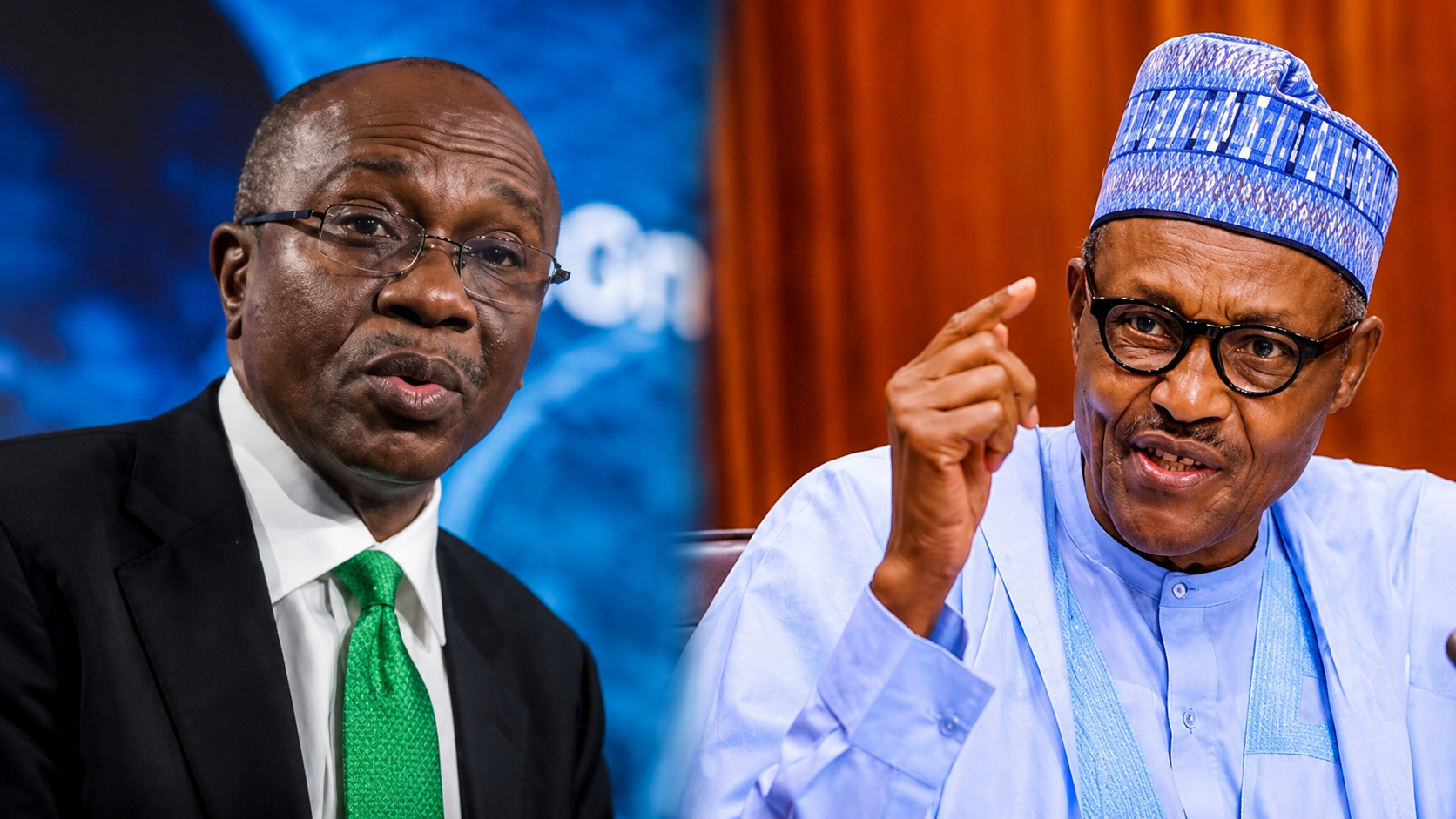
A fresh controversy has emerged over the alleged $6.2 million fraud case involving former Central Bank of Nigeria (CBN) Governor Godwin Emefiele, with an investigator reportedly claiming that former President Muhammadu Buhari should also have been investigated and prosecuted over the transaction.
The investigator argued that the controversial withdrawal of $6.2 million from the Central Bank, allegedly intended for foreign election observers during the 2023 general elections, was said to have been approved at the highest levels of government. According to the claim, any investigation into the transaction should have examined the roles of all public officials connected to the approval process.
The remarks have reignited public debate over accountability in the management of public funds and whether anti-corruption investigations should extend beyond public servants directly involved in executing financial transactions.
Supporters of the position insist that no individual should be above the law and that every official linked to controversial government spending should be subjected to due legal scrutiny. They argue that transparency is essential for strengthening public confidence in Nigeria's anti-corruption efforts.
However, legal analysts note that allegations alone do not amount to proof of wrongdoing. They stress that any prosecution must be supported by credible evidence capable of meeting the legal threshold required in court.
The Economic and Financial Crimes Commission (EFCC) has continued its prosecution of Emefiele on multiple charges relating to alleged abuse of office, procurement irregularities, and financial misconduct. The former CBN governor has consistently denied all allegations against him and is contesting the charges before the courts.
As proceedings continue, the latest comments are expected to fuel further discussions over political accountability and the need for impartial investigations into high-profile financial cases involving current and former public officials.