Petroleum marketers across Nigeria have announced fresh depot prices for Premium Motor Spirit (PMS), commonly known as petrol, following a recent increase in global crude oil prices that has heightened concerns over fuel costs and market stability.
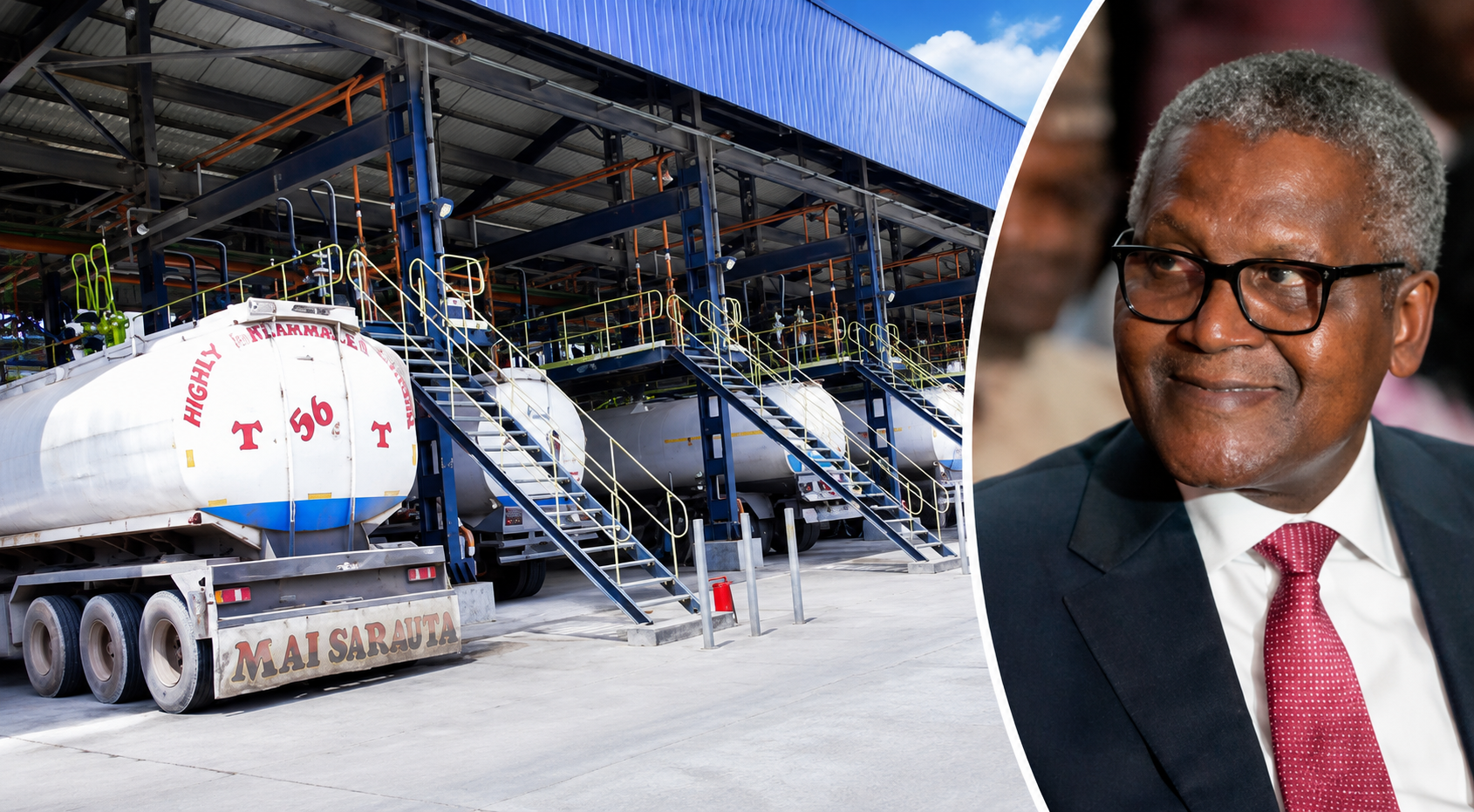
Industry sources revealed that several depots adjusted their ex-depot prices upward in response to rising international crude benchmarks and fluctuations in foreign exchange rates. The development is expected to have implications for retail fuel prices in various parts of the country if the trend continues.
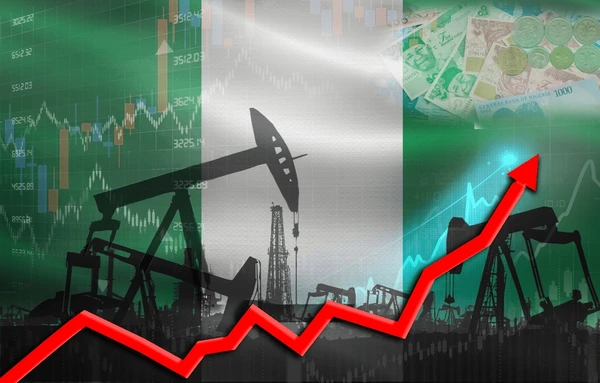
The latest adjustments come as crude oil prices recorded gains in the international market, driven by a combination of supply concerns, geopolitical tensions, and expectations of stronger global demand. Analysts say that higher crude prices typically translate into increased costs for refined petroleum products, placing additional pressure on fuel importers and distributors.
According to marketers, the revised depot prices reflect current market realities and the growing expenses associated with sourcing and distributing petroleum products. Industry stakeholders noted that operators are closely monitoring global oil trends to determine the likely direction of future pricing.
The increase has sparked concerns among transport operators, businesses, and consumers, many of whom fear that higher fuel costs could trigger a rise in transportation fares and the prices of goods and services. Petrol remains a critical component of Nigeria's economy, powering vehicles, generators, and numerous commercial activities.
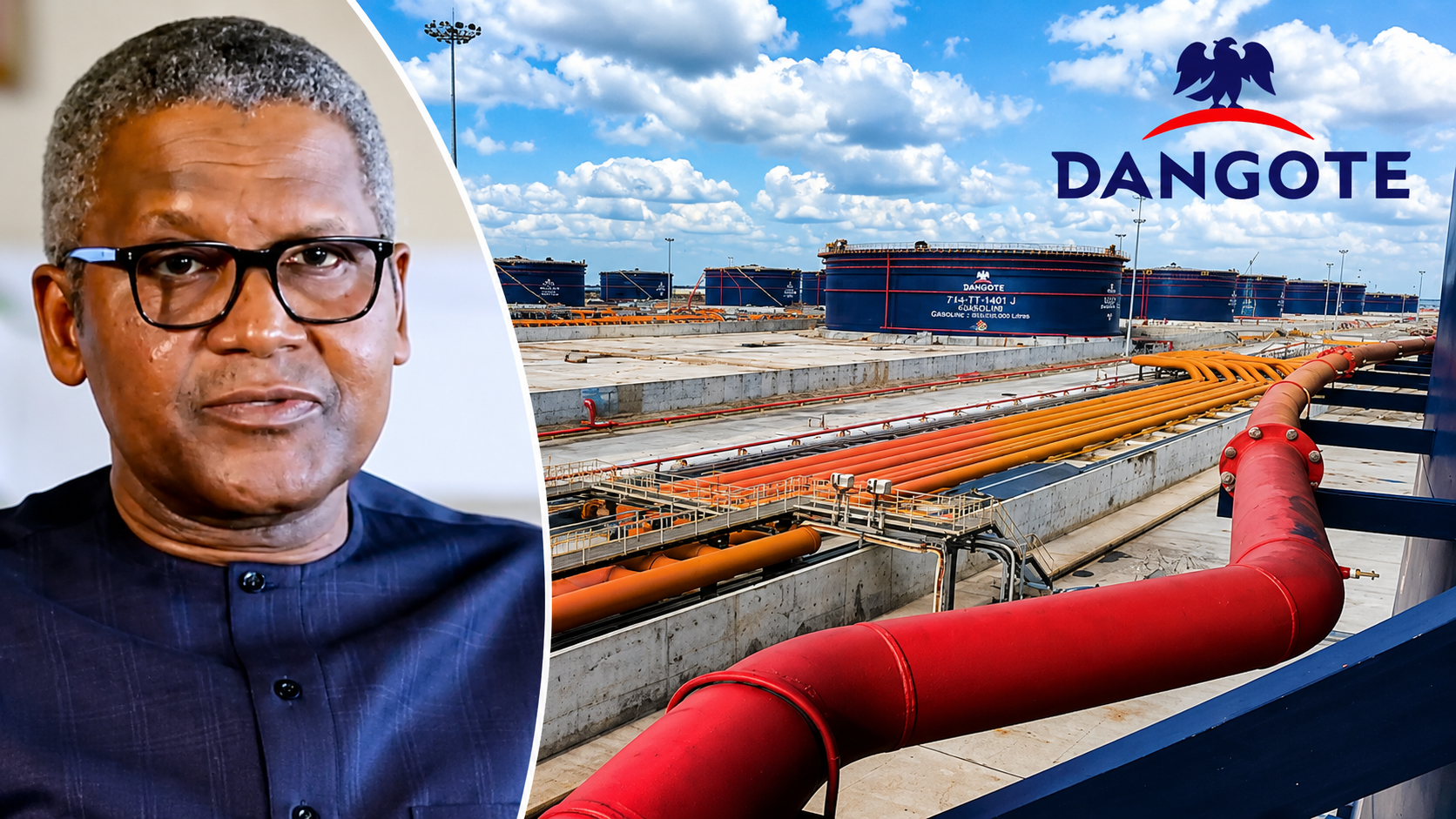
Energy experts have warned that sustained increases in crude oil prices could further impact domestic fuel pricing unless mitigating measures are introduced. They emphasized the importance of improving local refining capacity to reduce dependence on imported petroleum products and shield the economy from external market shocks.
Meanwhile, market observers are watching developments within the downstream petroleum sector, particularly the role of local refineries and competition among fuel suppliers. Increased local production is expected to play a key role in stabilizing prices and ensuring consistent product availability across the country.
Despite the latest adjustments, industry leaders have urged consumers to remain calm, assuring the public that there is no immediate threat of fuel scarcity. They stressed that marketers and distributors are working to maintain adequate supply levels while adapting to changing market conditions.
As global oil prices continue to fluctuate, stakeholders expect petrol pricing to remain a major topic of discussion in the coming weeks, with consumers hoping for stability amid broader economic challenges.