The World Health Organization (WHO) has raised fresh concerns over the worsening Ebola outbreak in Central Africa, reporting that nearly 500 confirmed cases have now been recorded across affected countries, with the Democratic Republic of Congo (DRC) bearing the brunt of the crisis.
According to the latest WHO situation update, a total of 471 confirmed Ebola cases and 84 deaths have been recorded in the DRC and neighboring Uganda. The figure represents a sharp increase of 100 cases and 20 deaths within a single day, highlighting the rapid spread of the deadly virus.
Health authorities said the majority of infections have been reported in the DRC, where 452 confirmed cases and 82 deaths have been documented since the outbreak was officially declared three weeks ago. Uganda has also reported 19 confirmed cases, including two fatalities, raising fears of wider regional transmission.
The outbreak is being driven by the Bundibugyo strain of the Ebola virus, a rare variant for which there is currently no approved vaccine or specific treatment. Medical experts warn that the absence of licensed countermeasures makes containment efforts significantly more challenging than previous Ebola outbreaks involving other strains.
The WHO has already declared the outbreak a Public Health Emergency of International Concern (PHEIC), citing the risk of cross-border spread and the need for coordinated international action. The organization has launched a six-month response plan valued at more than $500 million to strengthen surveillance, treatment, border screening, laboratory testing, and community engagement efforts across the region.
Public health experts have warned that ongoing armed conflicts, population displacement, and attacks on healthcare facilities in parts of eastern Congo are hampering response efforts. Insecurity has made contact tracing and case monitoring difficult, increasing the likelihood of undetected transmission chains.
Recent modeling by health authorities suggests that without aggressive intervention measures, the outbreak could grow dramatically in the coming months. Some projections indicate that infections could eventually surpass 20,000 cases if containment efforts fail to keep pace with transmission.
WHO Director-General Tedros Adhanom Ghebreyesus has called for stronger international support, urging governments, donors, and local communities to work together to halt the spread of the virus. He emphasized that early detection, rapid isolation of cases, and community cooperation remain critical to preventing the outbreak from becoming one of the largest Ebola emergencies in recent history.
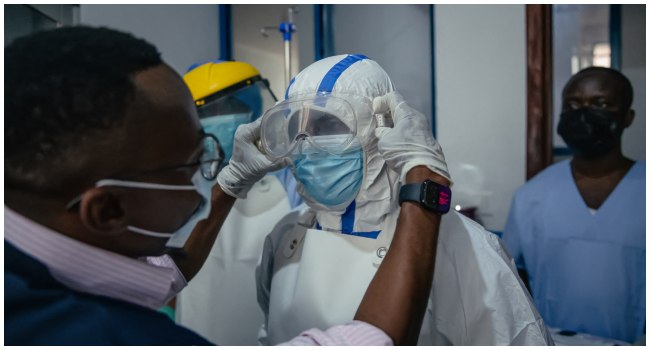
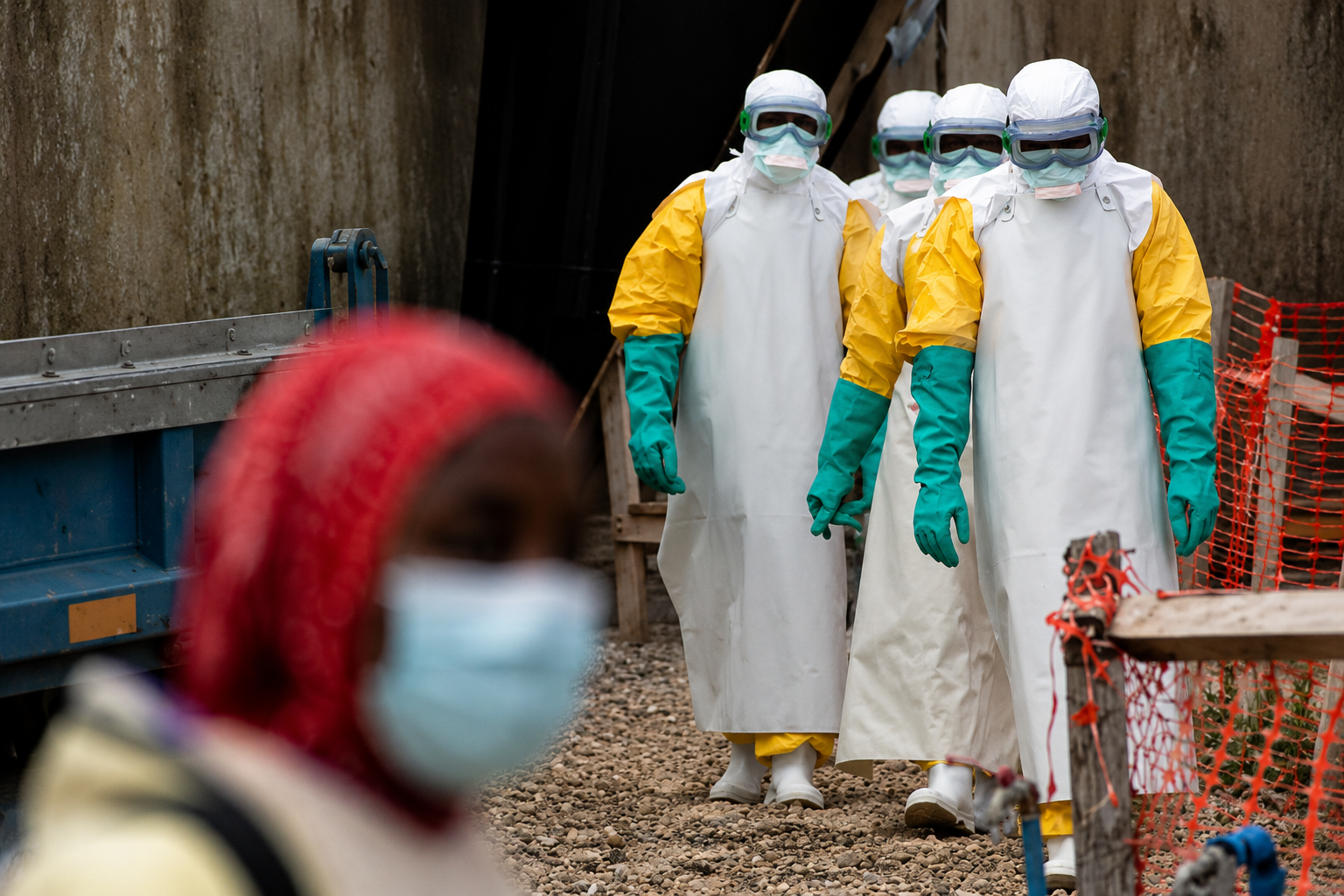
As health workers continue their battle against the outbreak, authorities across Central Africa remain on high alert, with neighboring countries strengthening border surveillance and emergency preparedness measures to prevent further spread of the disease.