
Tensions in the Middle East escalated sharply as the Israel-Iran conflict entered its 100th day, with inflammatory rhetoric and renewed military exchanges raising fears of a broader regional confrontation.
The latest escalation followed reports of missile launches from Iran toward Israel, marking one of the most significant developments since a ceasefire had temporarily reduced direct hostilities between the two nations. Israeli defense systems were activated in response, while authorities placed security forces on heightened alert.
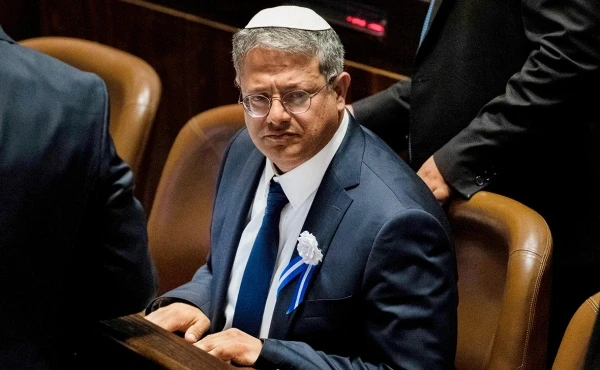
Amid the renewed tensions, Israeli National Security Minister Itamar Ben-Gvir sparked international attention after posting a provocative message on social media, declaring, “Tonight Tehran must burn.” The statement came shortly after reports of Iranian missile attacks and quickly fueled concerns about the possibility of retaliatory strikes against the Iranian capital.
Military officials in Israel said the country was preparing for potential further attacks, while additional fighter jets and surveillance assets were reportedly deployed to monitor developments across multiple fronts. Security analysts warned that any major escalation involving Iran could draw in regional allies and further destabilize an already volatile Middle East.
The renewed hostilities occurred against the backdrop of ongoing tensions in Lebanon, where Israeli strikes targeting Hezbollah-linked positions have heightened regional anxieties. Iran has repeatedly warned that attacks on Lebanon could trigger retaliation, and Tehran described its latest actions as a response to what it views as Israeli aggression.
International efforts to contain the crisis have intensified. U.S. President Donald Trump publicly urged both sides to halt military actions and return to diplomatic engagement, warning that continued exchanges risk undermining ongoing peace efforts. Reports indicated that Washington has been actively seeking to prevent further escalation between the two longtime adversaries.
Despite calls for restraint, both Israel and Iran have signaled readiness to respond to future attacks. Israeli officials vowed to maintain military pressure against perceived threats, while Iranian authorities warned of severe consequences should hostilities continue.
As the conflict reaches the symbolic milestone of 100 days, diplomats and security experts fear that increasingly aggressive rhetoric, coupled with renewed missile exchanges, could push the region closer to a wider confrontation involving multiple actors across the Middle East.
The coming days are expected to be critical as international mediators work to prevent the crisis from spiraling into a broader regional war that could have significant humanitarian, political, and economic consequences far beyond the immediate conflict zone.