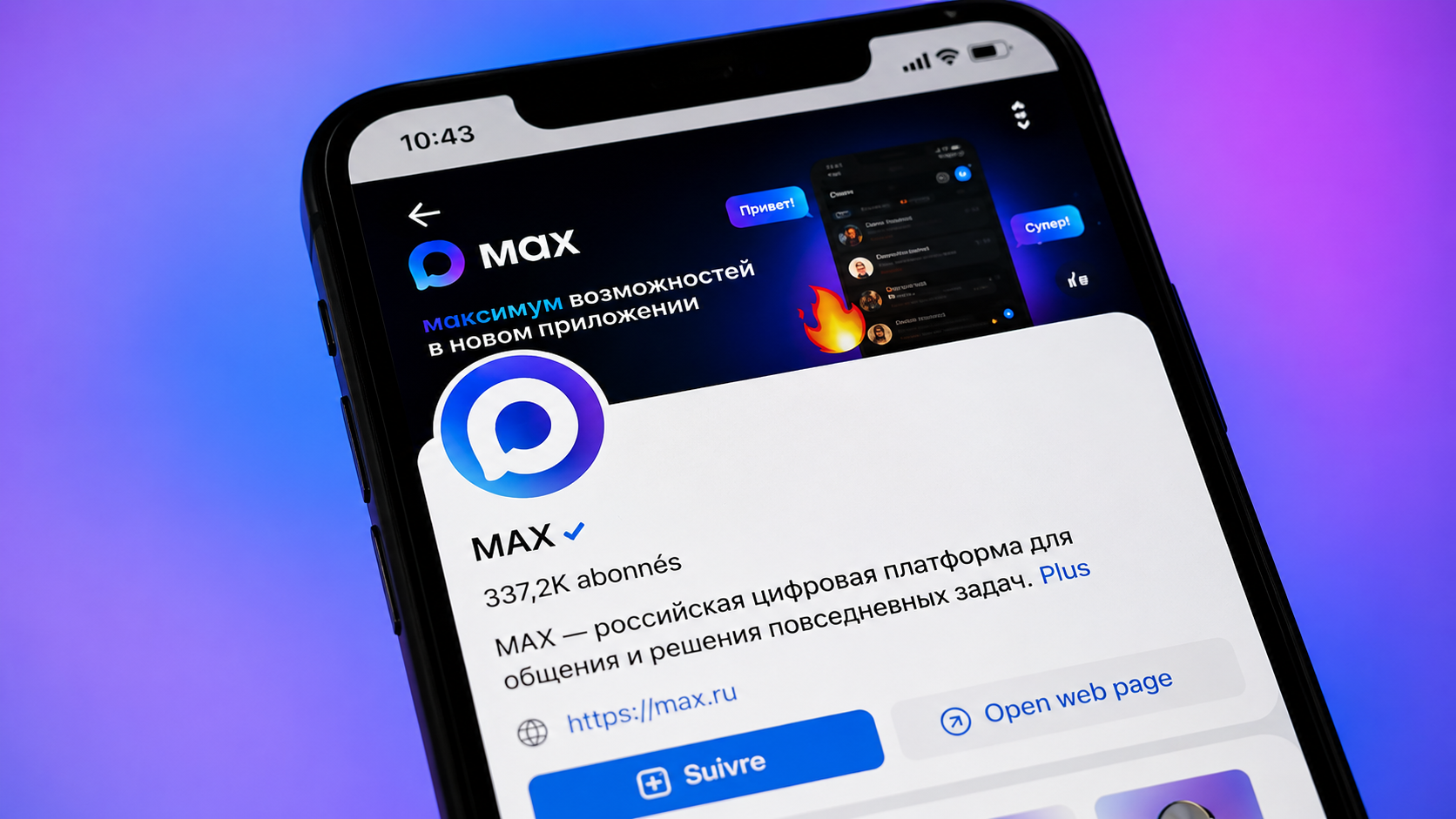
Technology giant Apple has removed a Russian state-backed messaging application from its App Store, a move that has sparked debate over digital regulation, geopolitical tensions, and the future of state-affiliated technology platforms.
The decision affects users seeking to download or update the messenger service through Apple's ecosystem, with reports indicating that the application was withdrawn following regulatory concerns and compliance requirements linked to international sanctions and platform policies.
While Apple has not publicly disclosed all details surrounding the removal, industry analysts suggest the action may be connected to ongoing restrictions targeting Russian state-linked entities amid broader geopolitical disputes. The company has previously taken similar measures involving applications, media platforms, and digital services accused of ties to sanctioned organizations or governments.p>
Russian officials and supporters of the messaging platform have criticized the move, arguing that it limits access to communication tools and raises questions about digital freedom and the influence of major technology companies over online services. Some have described the decision as politically motivated, while others view it as part of a wider effort by Western firms to comply with international regulations.
The messenger application had reportedly gained popularity among users seeking government-related services, official communications, and secure messaging options. Its removal from Apple's marketplace could affect accessibility for iPhone and iPad users, particularly those relying on the platform for public service interactions and official notifications.
Digital rights advocates have offered differing perspectives on the development. Some argue that private technology companies have a responsibility to enforce legal requirements and platform standards, while others warn that restricting access to communication tools could contribute to the fragmentation of the global internet.
The latest move highlights the increasing intersection between technology and international politics, as major tech firms continue to navigate complex legal and regulatory environments across multiple jurisdictions. Companies operating globally often face competing demands from governments, regulators, and users regarding content moderation, privacy, security, and compliance obligations.
Experts note that the removal of state-linked applications has become more common in recent years as governments tighten oversight of digital platforms and technology companies seek to avoid potential legal or financial penalties. Such actions can have significant implications for users, businesses, and governments that depend on digital communication infrastructure.
Experts note that the removal of state-linked applications has become more common in recent years as governments tighten oversight of digital platforms and technology companies seek to avoid potential legal or financial penalties. Such actions can have significant implications for users, businesses, and governments that depend on digital communication infrastructure.
Meanwhile, Russian authorities are reportedly exploring alternative methods to maintain access to the service and support users affected by the App Store removal. Officials have encouraged citizens to use other distribution channels where available, while discussions continue regarding the broader impact of technology restrictions on international relations.
As the situation develops, industry observers say the case serves as another example of how global technology platforms are increasingly becoming key players in geopolitical disputes, with decisions made by major corporations carrying consequences far beyond the digital marketplace.