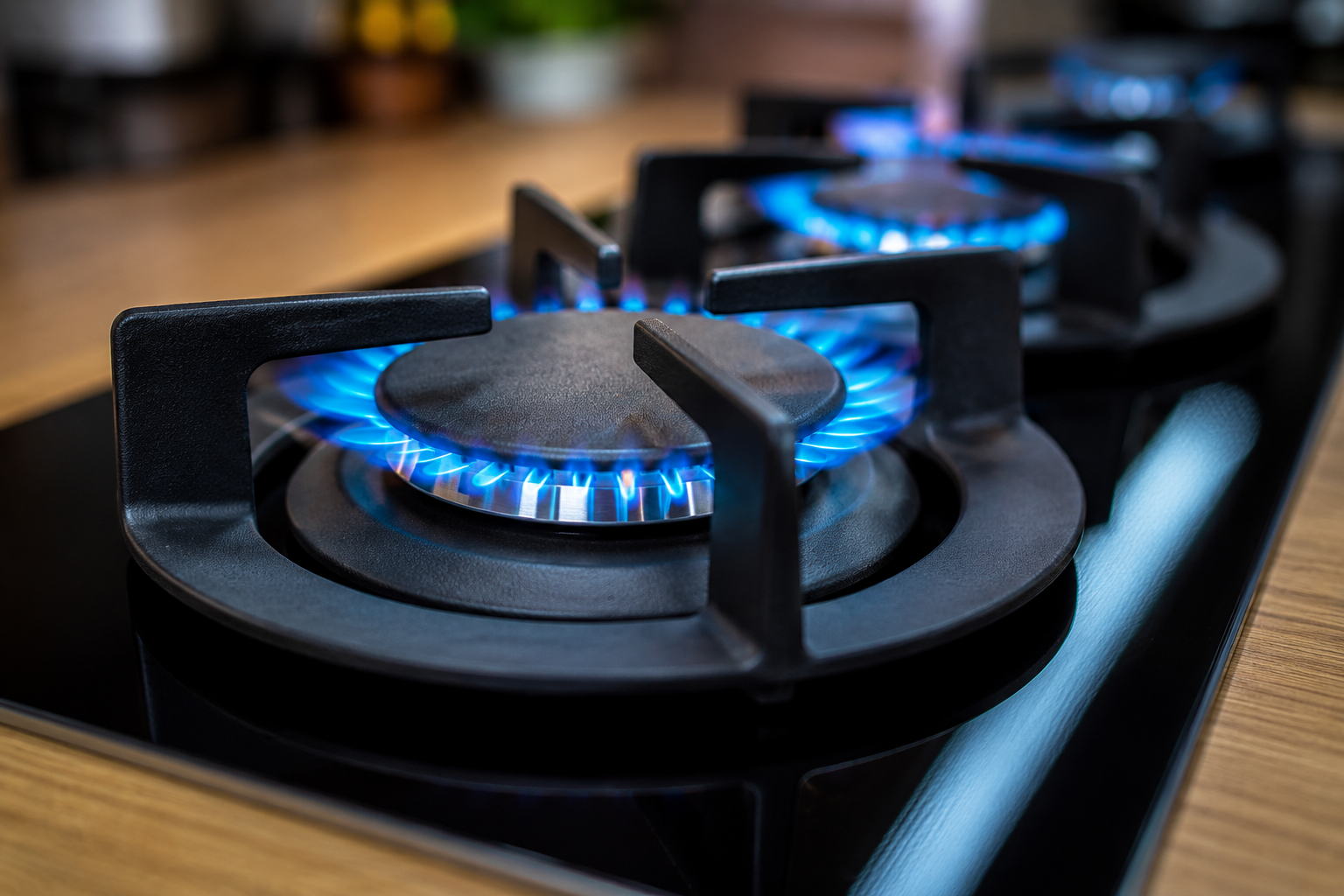
Nigeria's liquefied petroleum gas (LPG) market is facing one of its most severe supply disruptions in recent years, as worsening scarcity has pushed cooking gas prices to as high as ?2,400 per kilogram in Lagos, Abuja, and several other cities. The development is placing additional pressure on households already struggling with rising living costs and is forcing many families to return to traditional cooking methods such as charcoal and firewood.
Across major urban centers, consumers are reporting sharp increases in the cost of refilling gas cylinders. While some filling stations continue to sell LPG at relatively lower rates ranging from ?1,650 to ?1,700 per kilogram, many neighborhood retailers have raised prices to between ?2,200 and ?2,400 per kilogram. Retailers attribute the hike to supply shortages, transportation expenses, and rising operating costs.
The surge in prices has significantly altered household spending patterns. Many consumers say they are now avoiding meals that require prolonged cooking, while others have abandoned LPG entirely due to affordability concerns. Reports from Lagos, Abuja, Ilorin, and other cities indicate a growing return to charcoal and firewood as alternative cooking fuels.
Industry stakeholders say the scarcity has continued despite the arrival of new LPG shipments into the country. According to retailers, supply improved only marginally after cargo deliveries in late May and early June, but access to products remains difficult. Many gas plant operators are reportedly selling directly to end users or prioritizing their own retail outlets, leaving independent retailers with limited stock.
The Chairman of the Liquefied Petroleum Gas Retailers Association of Nigeria (LPGAR), Ayobami Olarinoye, noted that only a small number of gas plants currently have products available for retailers, creating severe bottlenecks in the downstream market. The result is a situation where demand continues to outstrip accessible supply, pushing prices upward.
Marketers have also raised concerns about the allocation of locally produced LPG. Industry sources claim that some producers are exporting a significant portion of their output to neighboring countries in pursuit of foreign currency earnings, reducing the volume available for domestic consumption. While Nigeria has increased local LPG production over the past year, consumers have yet to experience the expected benefits in the form of lower prices.
This disconnect between production growth and consumer prices has sparked debate about market structure, distribution efficiency, and the need for stronger regulatory oversight within the sector.
The current crisis extends beyond household budgets. Small businesses, food vendors, restaurants, and low-income earners who rely heavily on LPG are facing increased operational costs. Industry associations warn that continued scarcity could reverse years of progress made in promoting clean cooking energy across Nigeria.
Environmental experts have long encouraged the adoption of LPG as a cleaner alternative to firewood and charcoal. However, rising prices are driving many households back to traditional fuels, raising concerns about increased deforestation, indoor air pollution, and health risks associated with smoke exposure.
Industry stakeholders are urging the Federal Government to intervene by improving supply chain efficiency, preventing hoarding, encouraging investment in LPG infrastructure, and ensuring that more locally produced gas reaches the domestic market. Marketers also want policies that will attract additional investors into refining and gas processing to boost supply and stabilize prices.
Without decisive action, experts warn that LPG prices may remain elevated in the coming weeks, further worsening the financial burden on millions of Nigerian households already grappling with inflation and economic uncertainty.