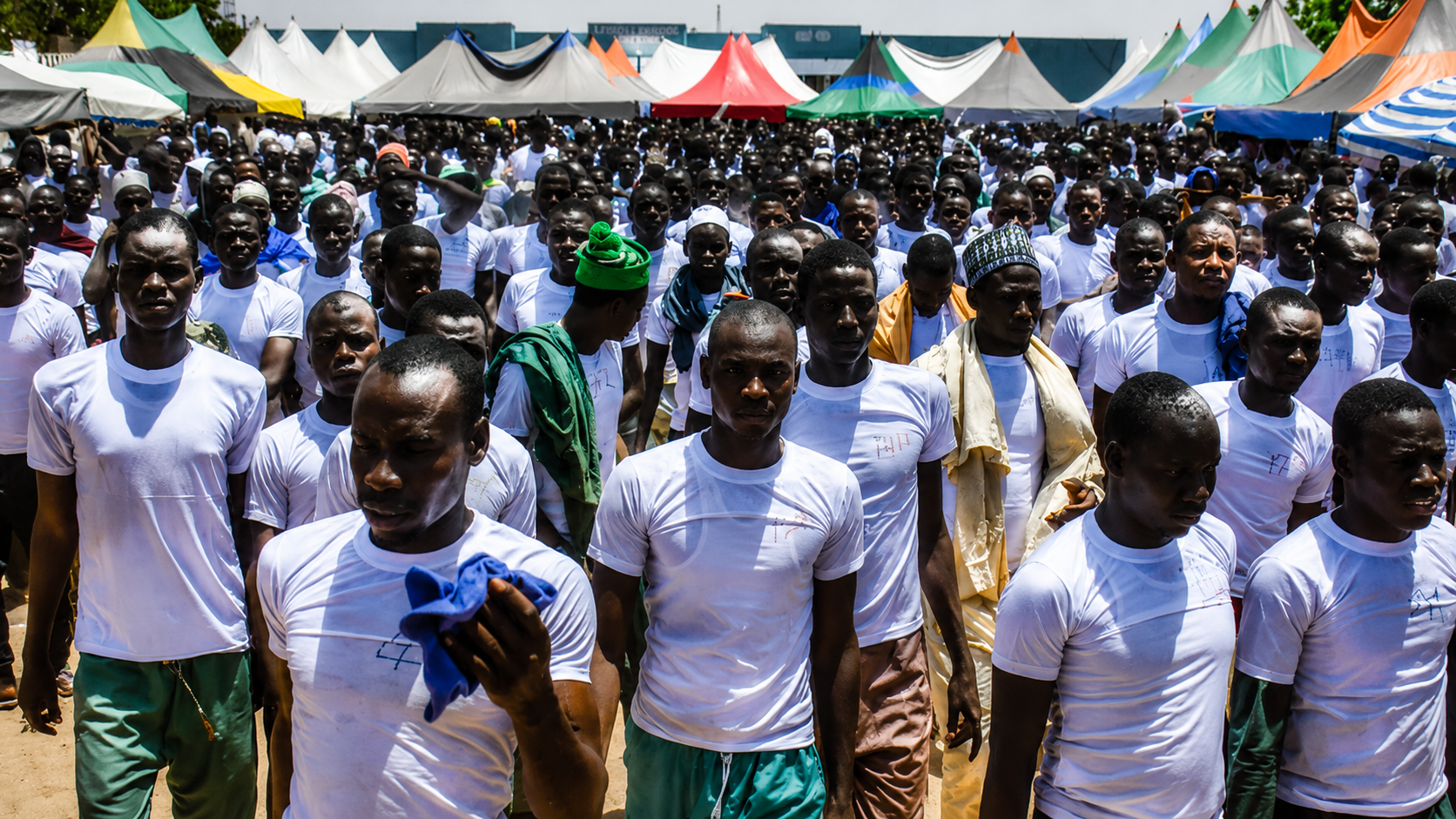
The Federal Government has announced the successful reintegration of 3,740 former Boko Haram members into society as part of ongoing efforts to promote peace, stability, and national security in Nigeria's North-East region.
The development was revealed through the government's deradicalization and rehabilitation programme, which seeks to provide a pathway for former insurgents who voluntarily surrender and renounce violence. Authorities say the initiative is designed to reduce the number of active fighters, encourage defections from terrorist groups, and support long-term peacebuilding efforts in communities affected by insurgency.
According to officials, the former combatants underwent a comprehensive rehabilitation process that included psychological counseling, religious reorientation, vocational training, and civic education. The programme aims to equip participants with skills that will enable them to earn legitimate livelihoods and reintegrate into their communities as productive citizens.
Government representatives emphasized that the reintegration process was carried out in collaboration with security agencies, traditional rulers, community leaders, and humanitarian organizations. They noted that extensive screening procedures were conducted to identify individuals eligible for participation in the programme.
The announcement has generated mixed reactions across the country. Supporters of the initiative argue that rehabilitation and reintegration are essential components of any successful counterinsurgency strategy. They maintain that encouraging defections can weaken terrorist organizations and reduce the duration of conflicts.
However, some Nigerians, including victims of insurgent attacks and civil society groups, have expressed concerns about the programme. Critics have questioned whether sufficient justice has been served for communities that suffered losses during years of Boko Haram violence. Others have called for greater transparency regarding the monitoring of reintegrated individuals.
Security experts note that deradicalization programmes have been used in several countries facing extremist threats and can be effective when combined with strong community support, economic opportunities, and continued security surveillance.
The Boko Haram insurgency, which has affected Nigeria for more than a decade, has resulted in thousands of deaths, mass displacement, and widespread destruction of property, particularly in Borno, Yobe, and Adamawa states. The conflict has also spilled into neighboring countries within the Lake Chad Basin.
Despite significant military gains against insurgent groups in recent years, security challenges remain in parts of the North-East. Authorities insist that the reintegration programme forms part of a broader strategy that includes military operations, intelligence gathering, community engagement, and post-conflict reconstruction.
As the government continues to pursue both military and non-military approaches to ending insurgency, the reintegration of thousands of former fighters is expected to remain a subject of national debate regarding security, justice, and reconciliation.