The Nigerian naira remained relatively stable against the United States dollar on Wednesday, June 3, 2026, as market participants continued to monitor foreign exchange liquidity, demand pressures, and monetary policy measures aimed at supporting the local currency.
According to data from the Nigerian Foreign Exchange Market (NFEM), the official exchange rate stood at approximately **?1,373.25 per US dollar**, reflecting little change from previous trading sessions. The stability suggests a continued balance between foreign exchange supply and demand within the official market window.
In the parallel market, commonly known as the black market, the dollar traded within the range of **?1,385 to ?1,400 per dollar**, depending on location and transaction volume. This maintained a relatively narrow gap between official and unofficial market rates, a trend analysts say has helped improve confidence in the foreign exchange market.
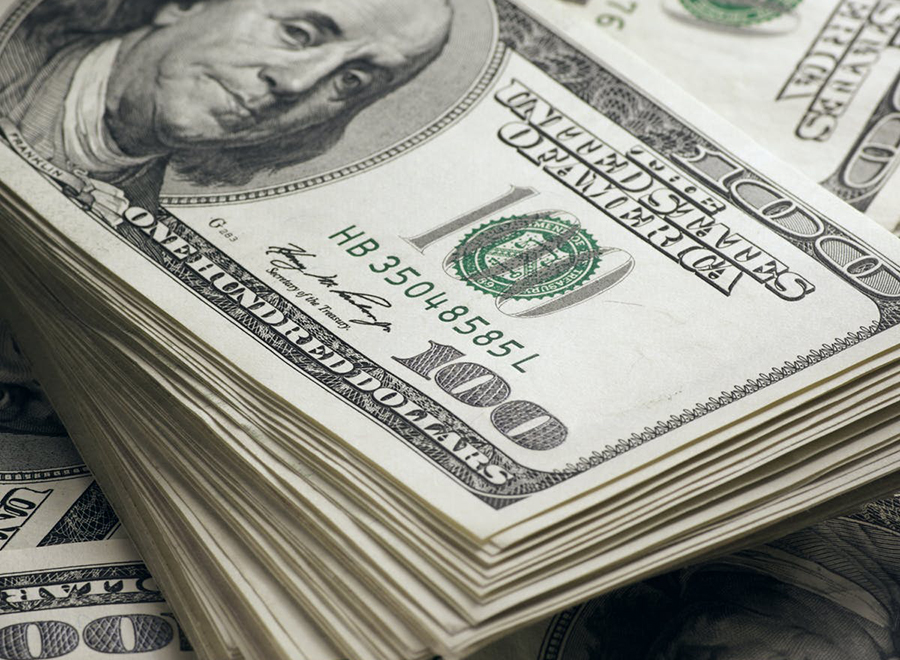
At the prevailing official rate, **$100 exchanged for approximately ?137,325**, while larger transactions were subject to market fluctuations and dealer pricing.
Financial analysts attribute the naira's recent stability to improved foreign exchange inflows, ongoing reforms by the Central Bank of Nigeria (CBN), and increased activity within the interbank market. However, they caution that global economic developments, crude oil prices, and foreign investment flows will continue to influence the currency's performance in the coming weeks.
Market observers note that despite persistent demand for foreign currency from importers and businesses, the naira has shown resilience compared to the sharp volatility experienced in previous years. The relatively stable exchange rate has provided some relief for businesses that depend on imported goods and services.
Economic experts expect the direction of the naira in the coming days to depend largely on foreign exchange availability, external reserve levels, investor confidence, and the effectiveness of ongoing monetary and fiscal policies.
As Nigeria continues efforts to strengthen its economy and attract foreign investment, stakeholders remain optimistic that sustained reforms and improved market conditions will help maintain stability in the country's foreign exchange market.