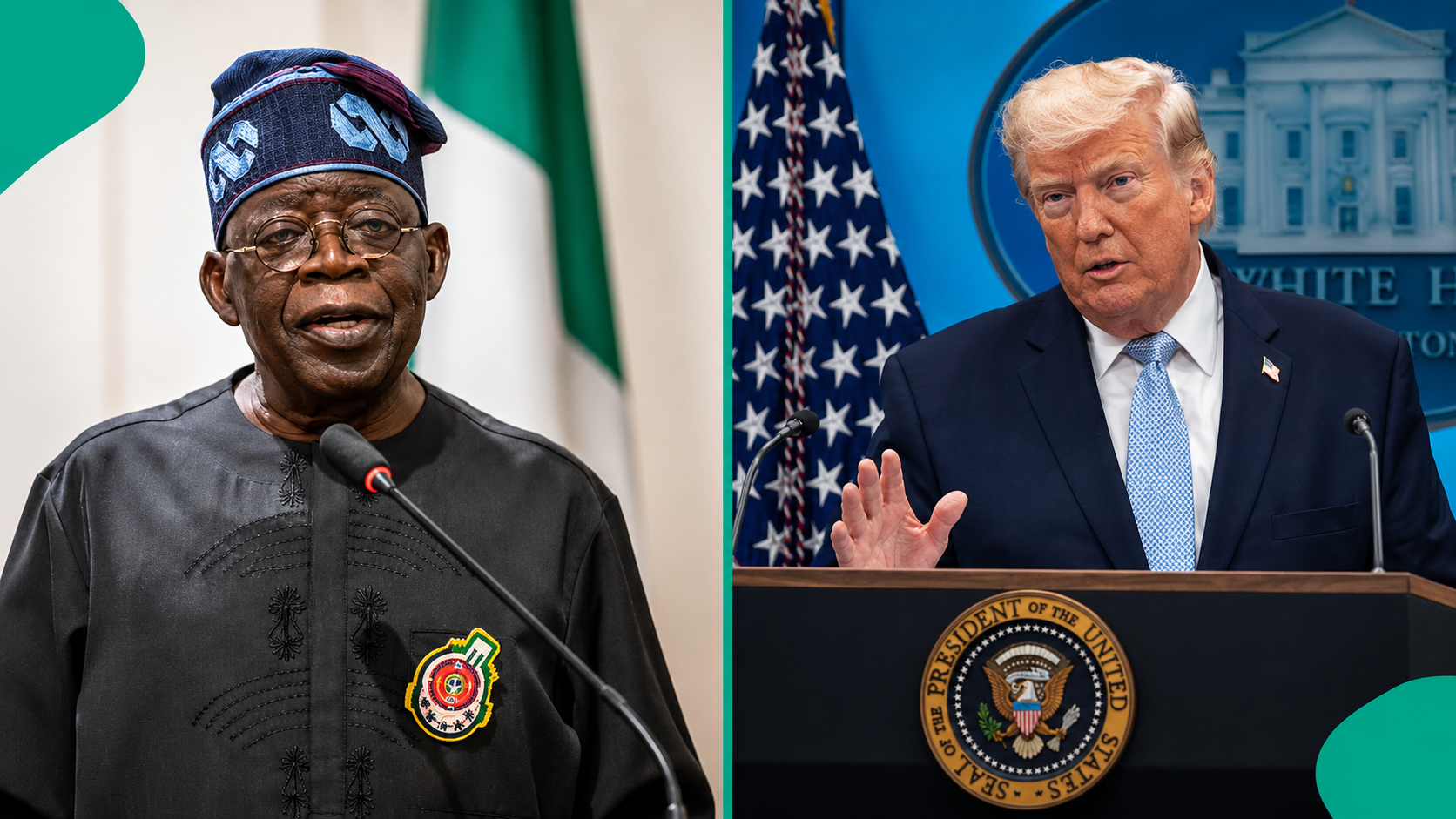
According to U.S. officials, the measures are part of a broader effort to strengthen immigration controls, improve security screening procedures, and encourage greater cooperation from foreign governments on issues relating to documentation, border management, and the repatriation of nationals.
The announcement has generated widespread attention across the affected countries, with governments seeking clarification on the scope of the restrictions and their potential impact on citizens. While details vary from country to country, the measures could include tighter visa requirements, enhanced security vetting, or other travel-related restrictions.
Nigeria, Africa's most populous nation and one of the United States' key partners on the continent, is among the countries reportedly affected by the new policy. The development has prompted discussions among policymakers, business leaders, and travelers concerned about the possible consequences for education, tourism, investment, and family travel.
U.S. authorities have emphasized that the sanctions are not intended as punitive measures against ordinary citizens but are aimed at addressing concerns related to immigration compliance, identity verification systems, and national security requirements. Officials say countries that meet the specified standards could see restrictions eased or lifted in the future.
Analysts note that similar measures have been implemented in the past as part of Washington's broader immigration and security strategy. They argue that the effectiveness of such policies often depends on the level of cooperation between the United States and the affected nations.
p> In Nigeria, reactions have been mixed. Some stakeholders have called for stronger diplomatic engagement to address U.S. concerns and prevent any adverse impact on citizens seeking educational, business, or tourism opportunities abroad. Others have urged the government to improve documentation systems and strengthen international cooperation on migration issues.
Economic experts also warn that prolonged restrictions could affect travel-related businesses and people-to-people exchanges, although the full impact will depend on the specific nature of the measures and how long they remain in place.
Diplomatic observers expect discussions between U.S. officials and representatives of the affected countries in the coming weeks as governments seek pathways to compliance and resolution. Many analysts believe continued dialogue will be essential in preventing tensions and maintaining productive bilateral relationships.
As more details emerge, citizens, businesses, and institutions across the affected nations are closely monitoring developments to understand how the new U.S. sanctions and restrictions may influence future travel, trade, and international cooperation.