
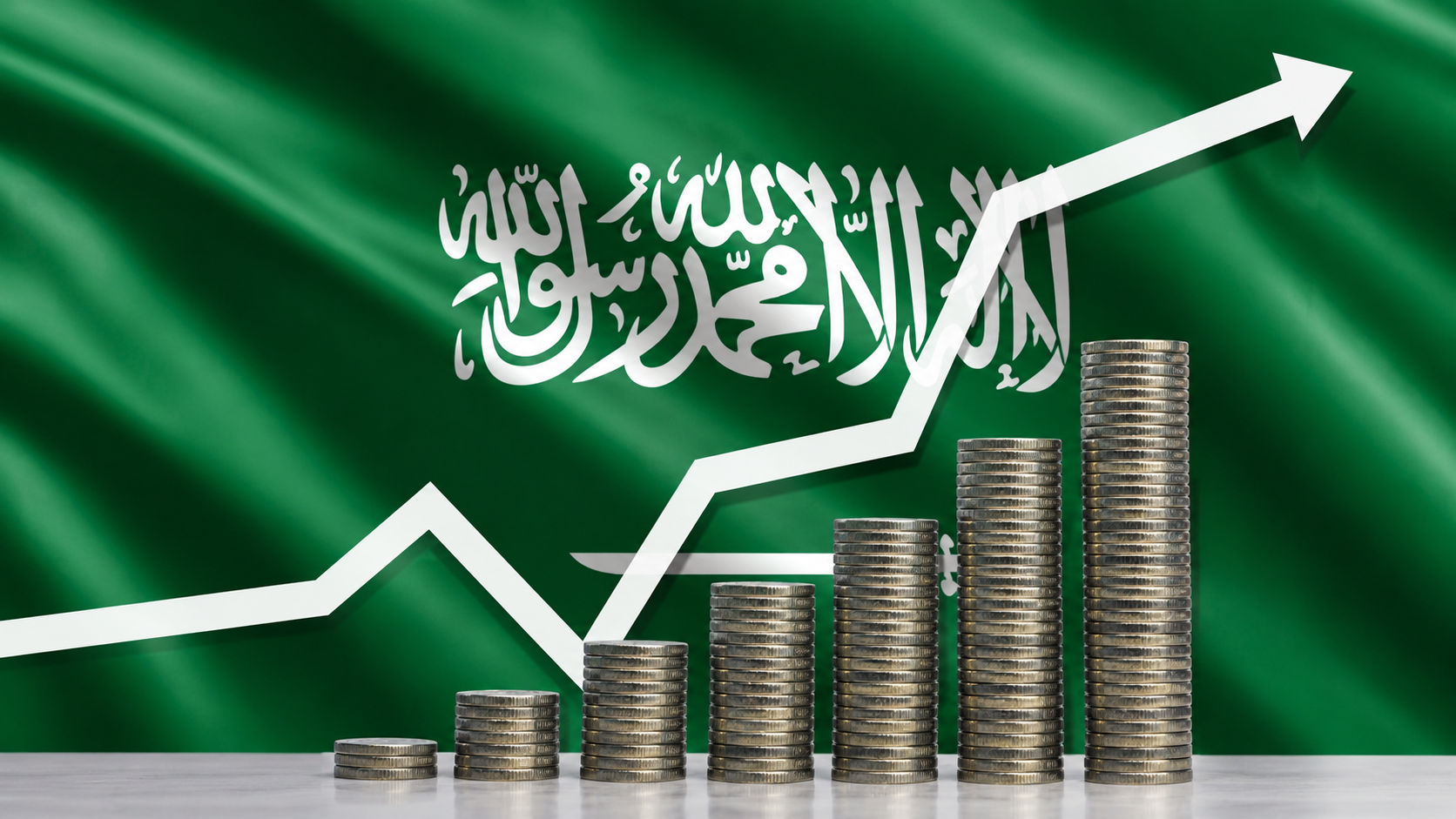
The International Monetary Fund (IMF) has described Saudi Arabia's economy as "resilient" despite ongoing geopolitical tensions and conflicts across the Middle East, highlighting the kingdom's strong economic fundamentals and continued progress in diversification efforts.
In its latest assessment, the IMF noted that Saudi Arabia has successfully weathered regional uncertainties through prudent economic management, sustained investments, and reforms aimed at reducing dependence on oil revenues. The organization said the kingdom remains well-positioned to maintain economic stability even as conflicts in the region continue to pose challenges to global markets.
According to the IMF, Saudi Arabia's non-oil sectors have continued to demonstrate robust growth, supported by government initiatives under the Vision 2030 economic transformation agenda. Investments in tourism, technology, infrastructure, manufacturing, and renewable energy have contributed significantly to economic expansion and job creation.
The Fund acknowledged that ongoing conflicts in parts of the Middle East have created risks for trade, investment flows, and energy markets. However, it emphasized that Saudi Arabia's substantial financial reserves, strong banking sector, and strategic policy measures have helped cushion the economy against external shocks.
Economic analysts believe the kingdom's diversification strategy has played a crucial role in strengthening resilience. Over the past several years, Saudi authorities have accelerated efforts to broaden the country's economic base, attracting foreign investment and encouraging private-sector participation across key industries.
The IMF also praised reforms aimed at improving the business environment, enhancing fiscal sustainability, and increasing economic competitiveness. These measures, it said, have helped build investor confidence and support long-term growth prospects.
Despite the positive outlook, the IMF cautioned that uncertainties remain due to fluctuating oil prices, global economic conditions, and regional security developments. The organization urged policymakers to continue implementing reforms while maintaining fiscal discipline to safeguard economic gains.
Saudi officials welcomed the IMF's assessment, describing it as recognition of the country's successful efforts to transform its economy and strengthen resilience in the face of regional and global challenges.
Market observers note that Saudi Arabia remains one of the largest economies in the Middle East and continues to play a vital role in global energy markets. The country's ability to sustain growth amid geopolitical tensions is being closely watched by investors and international financial institutions.
As regional conflicts continue to evolve, the IMF's endorsement underscores confidence in Saudi Arabia's economic trajectory and its capacity to navigate uncertainty while advancing ambitious development goals.
The report is expected to further boost investor sentiment and reinforce the kingdom's position as a key economic and financial hub in the Middle East.

![[UPDATED] Nigeria’s Inflation Rises To 15.93% In May](https://naijadeltavoice.com/uploads/1781570007-food.png)