
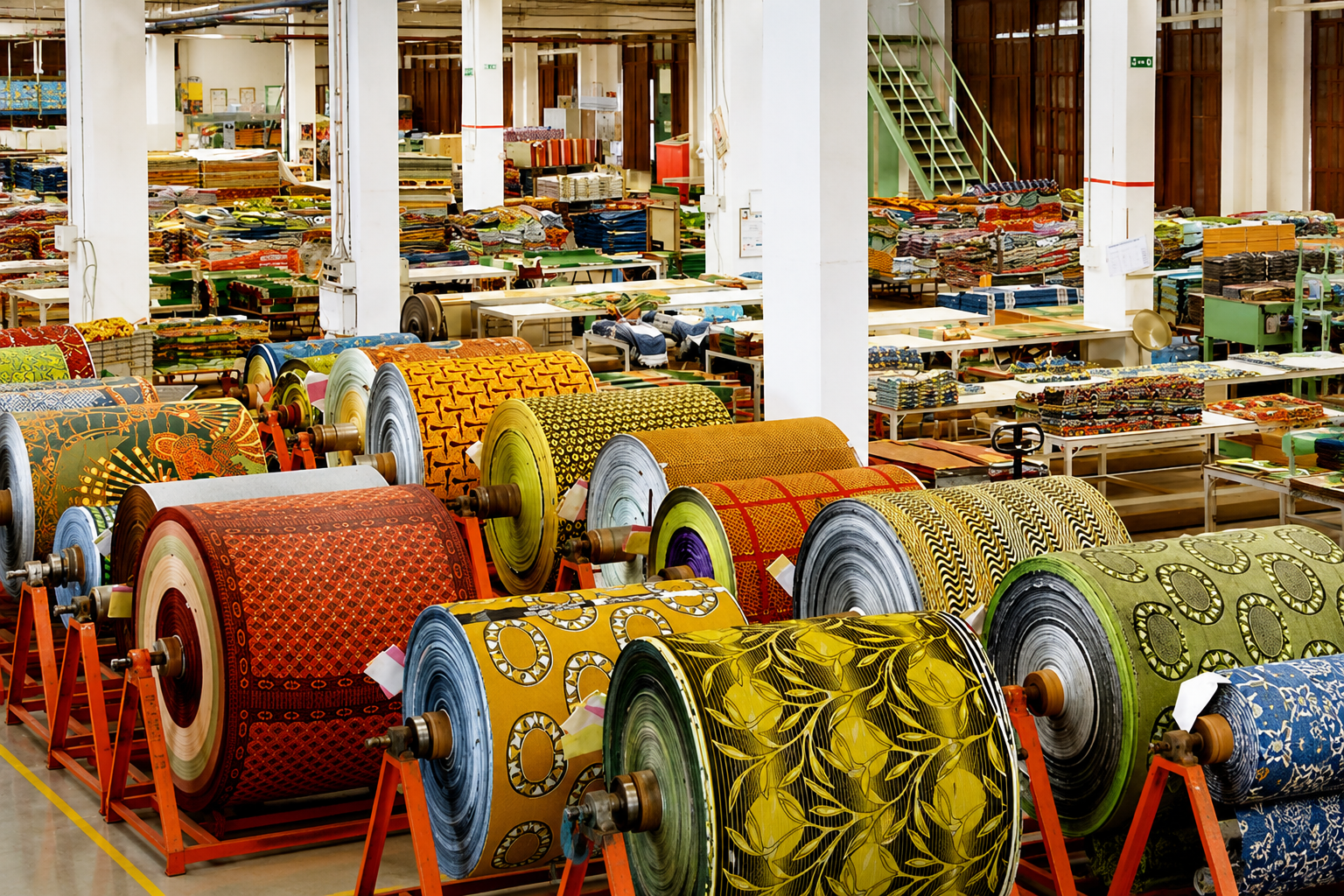
The Nigerian Senate has renewed calls for a total ban on the importation of textile materials as part of a broader effort to revive the country's once-thriving textile industry, boost local manufacturing, and create millions of jobs for Nigerians. The resolution was adopted during plenary following a motion on the urgent need to revitalize textile industries, particularly in the historic Kaduna-Kano textile corridor.
Leading the debate, lawmakers lamented the decline of an industry that was once a cornerstone of Nigeria's economy. According to the Senate, Nigeria had approximately 167 textile mills during the 1970s and 1980s, employing more than 500,000 people directly and ranking as the second-largest employer of labour after the Federal Government. The sector also generated billions of dollars annually and positioned Nigeria among Africa's leading textile producers.
Senators argued that the continued influx of imported textiles from countries such as China, Indonesia, and Taiwan has undermined local production, leading to factory closures, job losses, and reduced economic activity. They stressed that banning textile imports would encourage domestic production, stimulate investment, and help rebuild Nigeria's industrial base.
The Senate's proposal goes beyond import restrictions. Lawmakers also called for special intervention funds through the Bank of Industry to support textile manufacturers, as well as increased government backing for cotton farming, which serves as a critical raw material for the sector. The Ministry of Agriculture and state governments were urged to collaborate in boosting cotton production nationwide.
The move aligns with ongoing federal efforts to revive the Cotton, Textile and Garment (CTG) value chain. Earlier this year, the Federal Government announced plans to unveil a new policy framework aimed at attracting investment and restoring the sector's competitiveness. Officials have noted that Nigeria's cotton production has fallen dramatically—from about 200,000 metric tonnes in 2001 to roughly 10,000 metric tonnes in 2025—highlighting the urgent need for intervention.
Industry stakeholders have welcomed the Senate's position, arguing that Nigeria spends billions of dollars annually on textile imports while local factories remain underutilized. Government officials believe that a successful revival of the sector could generate up to 1.5 million jobs, reduce pressure on foreign exchange reserves, and strengthen Nigeria's manufacturing sector.
However, analysts caution that an import ban alone may not be sufficient. They point to persistent challenges such as unreliable power supply, high production costs, smuggling, and inadequate infrastructure as major obstacles to the industry's recovery. Experts argue that comprehensive reforms, investment in infrastructure, and improved access to financing will be essential if the textile sector is to regain its former prominence.
If implemented alongside broader industrial reforms, the Senate's proposal could mark a significant turning point for Nigeria's textile industry, potentially restoring thousands of jobs and reducing the country's dependence on imported fabrics while strengthening local manufacturing capacity.